Browsed by
Tag: Travel Tips

A Peru for Every Type of Backpacker, pt 2

A Peru for Every Type of Backpacker, pt 2

This is the culmination of our two-part article on the different types of backpackers and what Peru has to offer them. So far, we’ve dealt with the hiking and trekking enthusiasts, the extreme sport junkies, the eco-travelers, and the cultural immersionists. What’s left?…

Time Travelers

From the modern high rises of Miraflores, Lima and the pre-Columbian pyramid shrine in their midst to the traditional villages and towns of the Sacred Valley of the Incas, with vibrantly dressed locals chatting on cellphones and internet cafés housed in adobe structures lining cobblestone streets, Peru is a land of contrasts which in the throes of modernizations still offers up a past rich in mystery and wonder.

  • The world-famous mysterious Nazca Lines and the remarkable thousand year old mummies of Chauchillas
  • Kuelap, a fortress in northern Peru of the Chachapoyas, the most formidable foes of the Inca.
  • The Inca Fortress of Saqsayuhuamán on the outskirts of Cusco and the Lost City of Machu Picchu, the worldwide icon of the Inca Empire
  • the pre-Inca city of Caral north of Lima, the oldest city in the Americas, which as a flourishing urban center as far back as 2600BC


Culinary Crusaders

Whether or not you’re a foodie, chances are some fresh ceviche in Lima and roast guinea pig (cuy) in Cusco are on your travel to-do list, the former for the delicate flavors and the latter for the bragging rights. The culinary crusaders among you, hoever, probably have a list that’s more dishes than tourist attractions. What shouldn’t you miss?…

  • Marinated, grilled, and skewered beef hearts (anticuchos) in Ica, proud guardian of Afro-Peruvian cuisine
  • Pollo a la Brasa. Why eat roaster chicken in Peru when you’ve had it before? Because here, it tastes like nowhere else
  • Stir-fried tenderloin and fries known as lomo saltado
  • Seco de Cabrito, or stewed goat in the north
  • In the Andes, Olluquito con Charqui, is a firm potato-like tuber stewed with charqui (dried alpaca)
  • Even if you’re not ready to go as far as some toasted ants, the jungle region has some great dishes to offer, such as Juanes, bundles of chicken and rice cooked in banana leaves, and Inchicapi peanut stew.

Mystic Travelers

A new breed of traveler seeks not only cultural insight but mystical and personal insight as well. The survival of pre-Columbian beliefs in Peru, often in syncretic form, makes Andean or Amazonian Peru an attractive destination for such travelers. What kind of options does Peru offer the mystical backpacker?:

  • Ceremonies at the pre-Columbian sacred sites still believed to contain special energy by New Age practitioners
  • Spiritual cleansings with rubdowns with sacred plants and even with a guinea pig by Andean Curanderos, Healers
  • Hallucinogenic Ayahuasca ceremonies overseen by Amazonian shamans, which are thought to remove the curtain separating the natural and supernatural world, allow one to commune with universal spirits, and to heal problems with one’s own soul and psyche.
  • Very rarely, a traveler gets to visit the town of Queros, which thanks to a willful isolation is considered the town wherein Inca culture has continued unbroken.

Probably your interests fit into more than one category, and the gung-ho backpackers are likely a little bit of each…that just means you’ll have to plan a longer trip! The Pirwa Team includes not only Pirwa Travel Service, which can exist with transport, entrances, and guided excursions, but also Pirwa Hostels, which has 13 different locations throughout Peru and Bolivia. This means that no matter what your interests, and where you end up, you can probably find us nearby!

Stop by the social butterfly Pirwa Colonial Backpackers or the cozy and cheerful Pirwa San Blas Familiar in Cusco, enjoy breakfast on the sunny rooftop terrace at Pirwa Park Hostel Arequipa, or even cross the border and head out on the town with Pirwa La Paz‘s fun-loving team. A a country as varied as Peru, and such diverse groups of backpackers, require a home-grown chain that can offer all that the modern backpacker needs in terms of facilities, budget options, entertainment, and comfort. Check out all of our locations here …see you on the road!

Border Crossing: From Puno Peru to La Paz Bolivia

Border Crossing: From Puno Peru to La Paz Bolivia

Getting a mummy’s-eye view at the Sillustani Chullpas in Puno, Peru

So you’ve been enjoying your stay Puno, visiting the Floating Islands of Uros and the Sillustani Burial Towers while relaxing in the evenings at Pirwa Puno Hostels. Good times, but perhaps you’ve begun to set your sights on that promising border with Bolivia….

For the first time border-crosser, it can be intimidating. Those delicious salteñas paceñas won’t come to you though, so here’s our primer and tips on getting from Puno to La Paz:

Tourist-Class Buses

Bus Travel in Peru

The most common way to cross the border into Bolivia from Peru is a tourist-class bus from Puno to Copacabana vía the border town of Yunguyo. Some travelers stop off at Copacabana to explore the Isla del Sol, Sun Island, in Lake Titicaca and the smaller Isla de la Luna (Island of the Moon), while other continue on directly to La Paz. The 7 hour Puno – Yunguyo – Copacabana – La Paz route boasts views of scenic lakeside villages and a ferry rid across Tiquina Strait. Go with a well-recommended bus company, after all, you’ll be sitting there for seven hours. Some options are Panamericano, which leaves Puno at 7:30am each morning, and Tour Peru which departs for Copacabana and La Paz daily as well.

The direct route from Puno to La Paz crosses the border at Desaguadero rather than Yunguyo, but scenic it is not….Desaguadero is known for being a small, dirty, and unattractive bordertown. However, your total trip time would be 5 hours, and the buses pass the ruins of Tiwanaku en route. Ormeño buses leave Puno at 5:45am each day.

Stop in Copacabana to visit Sun Island before continuing to La Paz!

Local Buses

If you’d rather have the option to stop in any towns along the way that interest you, you can opt for the small local buses known as colectivos, which leave from the local bus station on the intersection of 1 de Mayo and Bolivar, two blocks away from Puno’s Terminal Terrestre (main bus terminal). This is a cheaper option, but you must be wary of pickpockets and may need to deal with uncomfortable overcrowding.


2½hr      Puno – Yunguyo Trip:            US$3.00
30min     Yunguyo – Copacabana:       US$0.50
5hr          Copacabana – La Paz:            US$4.00

If your goal is the cheapest possible transport, go local and cross at Desaguadero- the local buses are slower though. Buses leave from Puno to Desaguadero throughout the day (US$2.00 for a 4hr trip) and from Desaguadero to La Paz (US$3.00 for a 4hr) up until 5pm.

Crossing the Border into Bolivia


Success! The Welcome to Bolivia Sign

The Peru-Bolivia border is open from 8am–midday and from 2pm–7:30pm. From either side, it’s a mostly stress-free process that won’t take more than half an hour if your passport and tourist visa are in order. When you enter Peru, you receive a 90 day tourist visa which you must present upon entering the country; when you enter Bolivia, you receive a 30 day tourist visa- these are stamped upon exiting the countries. Keep the following tips in mind:

  • You can save time at the border by completing your visa form for entering Bolivia online.
  • North & South Americans, New Zealanders, and Australians won’t need entry visas, but French nationals must arrange this ahead of time.
  • United States citizens are charged a hefty entry tax- US$135.00, so make sure you bring enough money. Torn, ripped, or merely old bills will be declined, so keep it pristine and as close to exact change as you can.
  • Upon entering Bolivia, they ask for 2 passport-sized photos for your visa, but if you don’t have them they can try to match you up with the closest match from the leftover pile….
  • Save yourself the time and hassle of crossing back to Peru just to make photocopies of your passport or visa! Bring them with you
  • Officially, border officials can ask about the following: your hotel reservation, itinerary, yellow fever vaccination, and even request proof of economic solvency in the form of a credit card copy or bank statement. Very rarely does this happen….but it’s possible.

You made it to La Paz! Now what?…

Left to Right: Wrestling Cholitas, On top of the world at Huayna Potasí, Gazing into the Abyss at Death Road, Bridge Swinging in La Paz

Once you get to La Paz, there’s a whole new world open to you. You’ll want to take it easy for a few days to adjust to La Paz’s high altitude, going for easy day trips like visiting Moon Valley or taking in a Cholitas Wrestling show. After you’ve been fully acclimatized, you can up the ante. Outdoorsy types can hike Bolivia’s popular Huayna Potosí or up to pristine Glacier Lagoon for expansive views like no other. Thrill-seekers can go extreme, biking down the World’s Most Dangerous Road  or Bridge Swinging, which is literally throwing yourself of a high bridge with an elastic cord about your chest and waist. If you want help arranging any of these excursion, you can get in touch with Pirwa Travel Service.

A Warm Reception at Pirwa La PazFree Internet & Wi-Fi at Pirwa La PazShared Dorm in Pirwa La Paz Hostel

While looking for a place to stay in La Paz, you won’t have to go far to find Pirwa La Paz located just a block and a half from the La Paz bus terminal. We’re also just a few blocks from major attractions like San Francisco Church, tourist one-stop-shopping Sagarnaga Street, and Plaza Murillo. With a variety of affordable shared dormitories and private rooms, all with hot water access 24/7 and comfy beds, as well as a TV & movie lounge, patios, bar, free internet & wi-fi, secure luggage storage, free continental breakfast, and a friendly staff that can help you organize your trip!

Preventing & Dealing with Altitude Sickness

Preventing & Dealing with Altitude Sickness

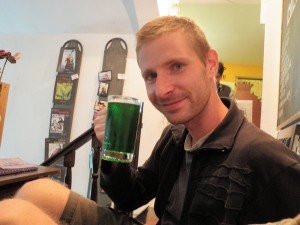
You’re finally realizing that dream to make it to Peru or Bolivia! But altitude sickness (soroche) can put a damper on all those sightseeing4942193-La_Paz-_Coca_beer-0-300x225 plans and tours that you’ve been planning… Its troublesome symptoms can vary in strength, and include fatigue, nausea, headaches, dizziness and shortness of breath. It can even lead to vomiting and other symptoms, and can become so severe that you’d need to be taken to a clinic and hooked up to an oxygen tank and IV- definitely something to be avoided! Ideally, your trip will allow you sufficient time for acclimatization, allowing your body to adjust to the lower amount of oxygen at higher altitudes, but sometimes this just isn’t possible with limited vacation days and so much to see.


Pre-Trip Tips

Itinerary Planning: Gradually Increase Your Altitude

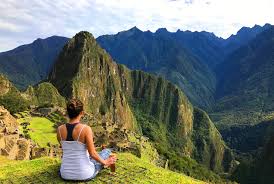
images (2)If you’re planning on visitingvarious cities, you can try to structure your itinerary in order to gradually increase your altitude level. Rather than going from sea level to Cusco (flying in from Lima) or Puno, you can put in an intermediary city like Arequipa in order to acclimatize as you go

  • Many times visitors to Cusco take advantage of a Sacred Valley Tour to spend some time at a lower altitude than Cusco.
  • Planning on tackling some of the famous peaks surrounding La Paz? You must spend a few days in the city of La Paz itself (the world’s highest capital), because your chances of altitude sickness are high!


Medicate: Pre-Trip Pill Popping


Acetazolamide, sold under the name Diamox and available as a generic drug, can help prevent altitude sickness. It is taken prophylactically, starting a few days before going to higher altitudes. If you’re going from sea level to over 3,000 meters (9800 feet) or ascending more than 600 meters (2000ft per day). If you have a history of suffering from acute altitude sickness, this may be the choice for you. You take a half tablet starting one day in advance and continuing until the third day of your trip. Once started you need to take Diamox three days, even if you start to feel ok


Preparations: The Day Before

Avoid alcoholic beverages and hard-to-digest foods the day before you travel, and make sure to get a full night’s sleep! You also don’t want to have sleeping pills or tranquilizers in your system when you begin your trip.


During your Trip


Take It Easy

On your first day or two, stay hydrated (avoiding alcohol), and don’t plan too much for Day 01- you want a leisurely pace and time to rest if need be. You can plan a day of rest, or if you don’t want to lose a day stick to a restful morning and then a half-day tour or some independent exploring in the afternoon.

Coca Tea

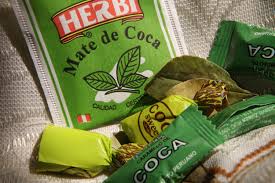
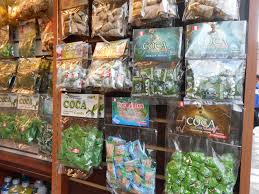
imagesThe local remedy is drinking a tea of steeped coca leaves- you’ll find it available in most hotels and hostels and in the little stores and markets in either loose leaves or tea bags. Limit yourself to no more than five cups per day, as it’s also a stimulant. (A lot of people ask whether they can fly back home with coca leaves- the official answer is no if they’re loose leaves, but yes if they’re packages in tea bags.


Carb Loading & Going Bananas

Bananas are a great choice as an energy snack, as they’ll help replace the potassium that high altitudes can leached from the body. Also, you’ll want to forget any restrictive diet you might be on and treat yourself to carbohydrate-heavy foods!

Local Pharmacy Solutions

Other options are the sorojchi pills which you’ll find easily in the local pharmacies, but be aware that they’re mostly just aspirin and caffeine, so if headaches are your problem, you might be better off with just Ibuprofen or Paracetamol. Many local pharmacies and tourist supply stores (there are lots) also provide mini-oxygen bottles


Inti Raymi: The Inca Sun Festival in Cusco

Inti Raymi: The Inca Sun Festival in Cusco

The Incan Sun Festival

Each June, 50,000 spectators gather in Cusco to celebrate the Winter Solstice and kick off the Andean New Year during Inti Raymi, the Sun Festival. Honoring the supreme Inca deity, the sun, this was the year’s most important celebration in the time of the Inca Empire. Tradition holds that Inti Raymi dates back to Pachacutec, the first Inca. The celebration and rituals were repressed after the Spanish Conquest and through the Colonial period, but were reborn in 1944. Now, each year hundreds upon hundreds of actors, dancers, and musicians present a theatrical reenactment based on historical chronicles.

It all begins on June 21st, which was the first day of the Incan solar calendar and marks the winter solstice, with opening ceremonies throughout the week. You’ll see the streets fill with color and activity thanks to the numerous street fairs, free concerts, and elaborately costumed dancers. The Festival´s main day, falls on the Day of the Peasant (formerly celebrated as Day of the Indian), June 24th, which is also the anniversary of Cusco.

Getting Tickets

Acts I and II at Qorikancha Sun Temple and the Plaza de Armas are open to the general public. You’ll want to go early if you want to be able to see. (One benefit of getting your Inti Raymi tickets through an agency as part of a festival package is that you will usually get a private balcony from which to watch the celebrations in the Plaza.)

Tickets are sold for Act III at Saqsaywaman, where viewing platforms are arranged in three different zones. The cost of Act III, the central ceremony, ranges from $80 to $115 depending if you are in the Green, Blue, or Orange Platform. It’s limited to 3,859 spectators. Ticket costs include the official program/script in 3 languages and a DVD about the ceremony.

If you buy your tickets for Act III directly through the government agency with handles festivals, EMUFEC, payment is required in advance, by deposit into their account or through their online purchasing system. (Unfortunately, they’re taking their time…at the moment, the account information has not yet been published, nor the purchasing system activated!)

The 6 Day Inti Raymi Tour

Pirwa Travel offers both a shorter and longer Inti Raymi tour, the shorter of which includes the festival itself, including a packed lunch and knowledgeable guide, and ensuring balcony access overlooking the Plaza de Armas and seating at Sacsaywaman.

The longer, 6-day tour includes guided tours of the Sacred Valley of the Incas and Machu Picchu in addition to Inti Raymi. Those of you interested in a tour package, or assistance with specific elements of your trip such as transport, entrances, guided visits, and more, can get in touch with our travel department, Pirwa Travel Service at pirwatravel@gmail.com.

Travelers’ Tips

  • June is wintertime in Cusco, but the afternoon sun scorches and the temperature can spike up quickly in the afternoon.  Prepare for the variability of Cusco´s climate by dressing in layers to put on for the mornings and evening, and remembering the sun screen.
  • Cusco fills up quickly for Inti Raymi, as it also coincides with the travel industry’s “high season”- whatever you can arrange in advance, do. Especially lodging, train tickets, Machu Picchu entrances, and treks go quickly. (The Inca Trail sold out already! Perhaps you can find spaces in the shortened 2-Day trek, or alternative treks such as Salkantay or Inca Jungle.)
  • Packed streets, visual spectacles, and well-laden tourists….violence is not a worry but pickpockets are guaranteed, so watch outer pockets and bags, carry backpacks along your front or not at all, and guard your small electronics with care- cells, camaras, and mp3s are popular with thieves as they are easy to resell and bring a good price.
  • Tickets can be bought by those who want prime seating for the main ceremony at Sacsayhuamán.  Many, however, choose to simply gather in the surrounding area and hope to catch a glimpse of proceedings while picnicking along the hills.
  • Prices for transport, lodging, and food can soar in July due to the increased demand, so plan some flexibility into your budget. (Don’t worry- none of our Pirwa hostels raise prices during high season or festivals.)

Official Program: Inti Raymi’s Central Day

Friday, 24th of June 2012

08:15   The flag of Tahuantinsuyo, represented the united regions of the empire, is hoisted by 5th Mountain Brigade

08:30   Mass & Te Deum at the Basilica Cathedral, headed by Cusco’s Archbishop

09:00   Sun Greeting at Qorikancha

At Cusco’s famous Temple of the Sun, characters representing noble figures, the chosen women, the Inca’s entourage, and the royals themselves gather for the gather for Salute to the Sun. They arrive as the sounds of traditional Andean Instruments and conch shells fill the air, and exit along flower-strewn streets when they exit en route to the Main Square (Auqaypata). This lasts for half an hour.

11:00   Meeting of the Times at Auqaypata

The Inka and his entourage enter along Inti K’ijllu Street. The Inka will formally address Cusco’s mayor from his ushnu, a ceremonial platform constructed in the center of Cusco’s Main Square for the occasion. This lasts for 45 minutes.

13:30   Main Ceremony Sacsaywaman Fortress

The central ceremony lasts an hour and a half. It begins with the reports from the 4 Suyos (Regions), the Chicha Rite, Rite of Sacred Fire, Llama Sacrifice (simulated) and divining, the Sankhu (Sacred Bread) rite, and Q’ochurikuy (explosion of popular exhaltation). Expect llama viscera, bonfires, dancing, and more.

It doesn’t stop at Sacsayhuamán- the fun will continue throughout the following days through concerts, dancing, and fairs along Cusco’s main streets. Don’t miss the vibrancy, excitement and historical charm of South America’s 2nd largest festival!

Spotting Counterfeits & Handling Money in Peru

Spotting Counterfeits & Handling Money in Peru

In November of last year, Peru, whose currency is the Nuevo Sol, was named the Counterfeit Cash Capital of the World.  Counterfeit money is certainly prevalent enough that travelers should take the precaution of learning how to recognize it.  Most fakes are banknotes, although fake S/2.00 and S/5.00 coins are also in circulation.  When receiving Peruvian money, always study it briefly before accepting using the Feel, Look, & Tilt method:

Feel: The bill should be printed on 100% cotton “paper”, not normal paper, giving it a unique texture.  Run your finger or nail over the name “Central Reserve Bank” and the National Emblem should be printed in relief.  This is harder to check for on older bills.

Look: You´re Watermark10Soleslooking for 2 things.  The first is the watermark: Hold the bill up against the light and find its watermark- they vary according to the bill but should always be formed by different thicknesses of the paper itself, giving it a sharp and 3D multi-tone look.  Fakes are printed on the paper in blurry gray ink and appear flat. The 2nd thing you´re looking for is the security strip: Up against the light you should see “PERU” and the value of the bill (10, 20…) and a shimmering band with the letters “BCRP” and the value again.

Most Importantly…Tilt

VariableInk100Soles


Color-Changing Ink: The easiest method is to study the large purple value amount (10, 20, 50…) as you tilt the bill back and forth. The number should change from purple to gold-green.


HiddenValueBox200Soles


There´s a “hidden value” box- a slight tilt of the bill should make the bill´s value (10, 20, 50…) appear. (Shown below)


Handling Money in Peru

Counterfeit Money Peru

Would you carry your entire month´s salary with you without taking precautions?  Remember that $300 is a perfectly reasonable salary here in Peru, and that although violent crime is rare, theft is not.  There´s no need to feel insecure as long as you take a common-sense approach to to handling money while you´re traveling:


  • Only carry the amount you need for that day or excursion.
  • Split your money up in as many different pockets as you have, with coins and small notes as your “easy access” money.
  • No one will accept torn or damaged bills from you, so don’t accept them either unless you feel like going to the bank so they´ll exchange it for you.
  • S/.200 are rarely accepted so avoid accepting or using them. US$100 are also difficult to use because there are so many fakes in circulation.
  • Always check for counterfeits!
  • Get smaller bills or coins whenever you can- taxi drivers or venders are frequently unable or unwilling to make change.