Browsed by
Category: Cusco

Hostels Cusco Peru

The Parading Saints of Corpus Christi

The Parading Saints of Corpus Christi

Corpus Christi is fervently and uniquely celebrated in Cusco. Fourteen Saints and Virgins, one from each of the city’s parishes, are carried in colorful procession atop heavy litters borne by members of each brotherhood guild, who can prepare for up to a year, fundraising for the saint’s elaborate attire and other adornments. The festival calls back to pre-Columbian times of the Inca Empire, when lavishly attired and adorned mummies of the highest-ranking Incas and venerated ancestors were carried on litters throughout the main streets during festivals. Along these same streets the saints and virgins now parade. They are to stay the night in the Cathedral, where they will greet Corpus Christi, the body of Christ.

This Wednesday, June 6th, at 9am, the Corpus Christi Altars will be presented in their respective parishes. You’ll hear music emanating from the Cathedral- a call to the saints. The processions begin as all the saints make their way to the main square at 11am, each showing off the year’s new finery and accompanied by their faithful parishioners and a band. You’ll also hear the 16th century María Angola throughout the day, South America’s largest church bell. Traditionally, Saint Sebastian, who resides 5 km from the Cathedral, and Saint Geronimo, whose parish is twice the distance from the Cathedral, race to see who will reach the Cathedral first, with Saint Sebastian beginning his route in the early hours of the morning.

Meanwhile….two blocks down, in the San Francisco Plaza, the Chiriuchu food fair will appear in Plaza San Francisco. With a name meaning cold chili pepper, this is a cold dish that features roast guinea pig, boiled chicken ch’arki (jerky), chorizo sausage, Andean cheese, toasted corn, corn bread, seaweed, and roe all piled up together.  Sands will be set up throughout the square, with vendors serving up the most traditional meal of Corpus Christi. If it takes you a while to work up the courage, don’t worry, they’ll be there on Thursday too. Wednesday night families traditionally serve 12 dishes, but Thursday is about Chiriuchu. If you try a plate, wash it down with some beer or chicha, a fermented corn drink. Those of you staying at Pirwa Colonial Backpackers will find the food fair camped out right in front of the hostel in the next couple of days. If the guinea pigs don’t tempt you, you can always limit yourself to some interesting photo-taking…

The following day is the principal day of Corpus Christi: At noon on Thursday the 7th (after the Archbishop performs the Te-Deum at 8am) it´s time for the main event, when the saints all process together, led by the 18th century pure gold massif known as the Golden Sun of Custody. It holds the Host, is adorned with hundreds of pearls, diamonds, and other precious jewels, and is carried on a silver litter. All the saints and virgins will afterwards be placed upon their respective altars throughout the plaza, each decorated with mirrors, banners, flowers, and other ornaments. Keep your eyes peeled for costumed folkloric characters like ukukus, qollas, and pabluchas amongst the crowd.

The icons will stay for a week in the Cathedral, until the Octava, when they’ll process again amongst dancers performing the Mestiza Qoyacha and the Capaq Qoya before returning to their home parishes with their dancers and musicians.

All this takes place in Cusco’s main square, or Plaza de Armas, and in the surrounding main streets. You can expect the Plaza to fill as completely as possible with spectators both curious and devout. If you’re on ground level, of course be wary of pickpockets targeting cash and small electronics such as cameras, cell phones, and mp3 players. If you’re not up to jostling amongst the crowds for a view, remember the Pirwa Posada del Corregidor is located right in the Plaza de Armas, with an in-house restaurant whose windows overlook the square- it’s a great place to watch the festivities in a more comfortable setting!
Preventing & Dealing with Altitude Sickness

Preventing & Dealing with Altitude Sickness

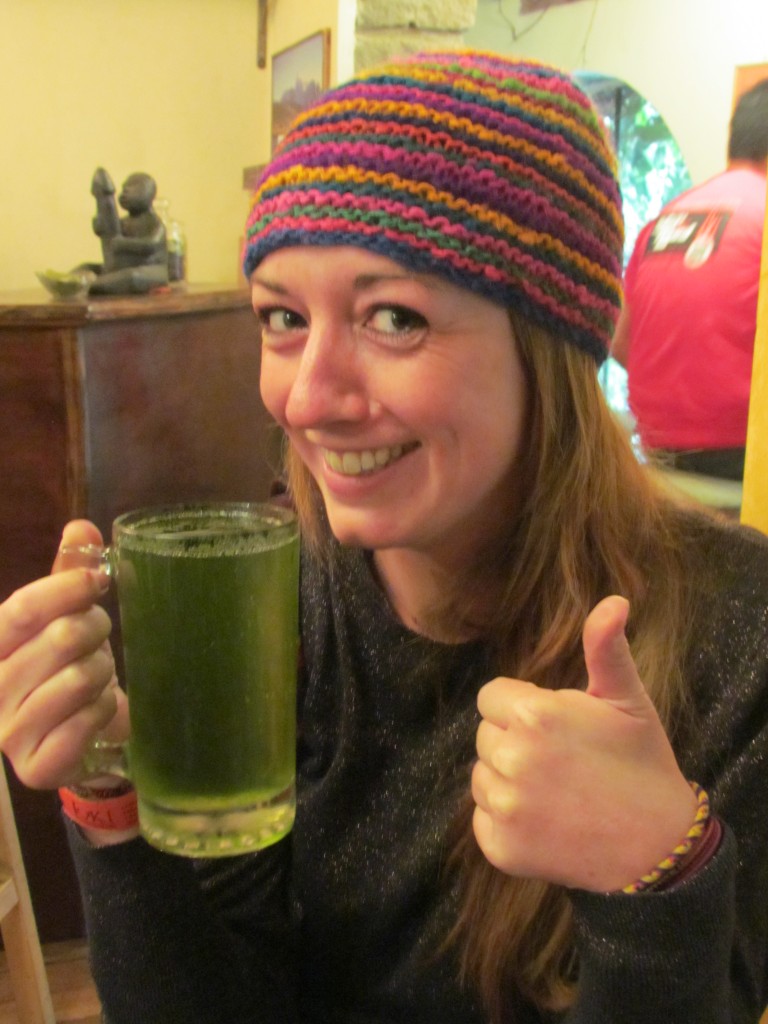
You’re finally realizing that dream to make it to Peru or Bolivia! But altitude sickness (soroche) can put a damper on all those sightseeing4942193-La_Paz-_Coca_beer-0-300x225 plans and tours that you’ve been planning… Its troublesome symptoms can vary in strength, and include fatigue, nausea, headaches, dizziness and shortness of breath. It can even lead to vomiting and other symptoms, and can become so severe that you’d need to be taken to a clinic and hooked up to an oxygen tank and IV- definitely something to be avoided! Ideally, your trip will allow you sufficient time for acclimatization, allowing your body to adjust to the lower amount of oxygen at higher altitudes, but sometimes this just isn’t possible with limited vacation days and so much to see.


Pre-Trip Tips

Itinerary Planning: Gradually Increase Your Altitude

images (2)If you’re planning on visitingvarious cities, you can try to structure your itinerary in order to gradually increase your altitude level. Rather than going from sea level to Cusco (flying in from Lima) or Puno, you can put in an intermediary city like Arequipa in order to acclimatize as you go

  • Many times visitors to Cusco take advantage of a Sacred Valley Tour to spend some time at a lower altitude than Cusco.
  • Planning on tackling some of the famous peaks surrounding La Paz? You must spend a few days in the city of La Paz itself (the world’s highest capital), because your chances of altitude sickness are high!


Medicate: Pre-Trip Pill Popping


Acetazolamide, sold under the name Diamox and available as a generic drug, can help prevent altitude sickness. It is taken prophylactically, starting a few days before going to higher altitudes. If you’re going from sea level to over 3,000 meters (9800 feet) or ascending more than 600 meters (2000ft per day). If you have a history of suffering from acute altitude sickness, this may be the choice for you. You take a half tablet starting one day in advance and continuing until the third day of your trip. Once started you need to take Diamox three days, even if you start to feel ok


Preparations: The Day Before

Avoid alcoholic beverages and hard-to-digest foods the day before you travel, and make sure to get a full night’s sleep! You also don’t want to have sleeping pills or tranquilizers in your system when you begin your trip.


During your Trip


Take It Easy

On your first day or two, stay hydrated (avoiding alcohol), and don’t plan too much for Day 01- you want a leisurely pace and time to rest if need be. You can plan a day of rest, or if you don’t want to lose a day stick to a restful morning and then a half-day tour or some independent exploring in the afternoon.

Coca Tea

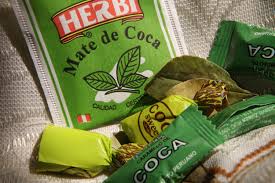
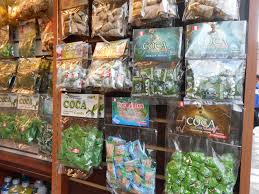
imagesThe local remedy is drinking a tea of steeped coca leaves- you’ll find it available in most hotels and hostels and in the little stores and markets in either loose leaves or tea bags. Limit yourself to no more than five cups per day, as it’s also a stimulant. (A lot of people ask whether they can fly back home with coca leaves- the official answer is no if they’re loose leaves, but yes if they’re packages in tea bags.


Carb Loading & Going Bananas

Bananas are a great choice as an energy snack, as they’ll help replace the potassium that high altitudes can leached from the body. Also, you’ll want to forget any restrictive diet you might be on and treat yourself to carbohydrate-heavy foods!

Local Pharmacy Solutions

Other options are the sorojchi pills which you’ll find easily in the local pharmacies, but be aware that they’re mostly just aspirin and caffeine, so if headaches are your problem, you might be better off with just Ibuprofen or Paracetamol. Many local pharmacies and tourist supply stores (there are lots) also provide mini-oxygen bottles


Inti Raymi: The Inca Sun Festival in Cusco

Inti Raymi: The Inca Sun Festival in Cusco

The Incan Sun Festival

Each June, 50,000 spectators gather in Cusco to celebrate the Winter Solstice and kick off the Andean New Year during Inti Raymi, the Sun Festival. Honoring the supreme Inca deity, the sun, this was the year’s most important celebration in the time of the Inca Empire. Tradition holds that Inti Raymi dates back to Pachacutec, the first Inca. The celebration and rituals were repressed after the Spanish Conquest and through the Colonial period, but were reborn in 1944. Now, each year hundreds upon hundreds of actors, dancers, and musicians present a theatrical reenactment based on historical chronicles.

It all begins on June 21st, which was the first day of the Incan solar calendar and marks the winter solstice, with opening ceremonies throughout the week. You’ll see the streets fill with color and activity thanks to the numerous street fairs, free concerts, and elaborately costumed dancers. The Festival´s main day, falls on the Day of the Peasant (formerly celebrated as Day of the Indian), June 24th, which is also the anniversary of Cusco.

Getting Tickets

Acts I and II at Qorikancha Sun Temple and the Plaza de Armas are open to the general public. You’ll want to go early if you want to be able to see. (One benefit of getting your Inti Raymi tickets through an agency as part of a festival package is that you will usually get a private balcony from which to watch the celebrations in the Plaza.)

Tickets are sold for Act III at Saqsaywaman, where viewing platforms are arranged in three different zones. The cost of Act III, the central ceremony, ranges from $80 to $115 depending if you are in the Green, Blue, or Orange Platform. It’s limited to 3,859 spectators. Ticket costs include the official program/script in 3 languages and a DVD about the ceremony.

If you buy your tickets for Act III directly through the government agency with handles festivals, EMUFEC, payment is required in advance, by deposit into their account or through their online purchasing system. (Unfortunately, they’re taking their time…at the moment, the account information has not yet been published, nor the purchasing system activated!)

The 6 Day Inti Raymi Tour

Pirwa Travel offers both a shorter and longer Inti Raymi tour, the shorter of which includes the festival itself, including a packed lunch and knowledgeable guide, and ensuring balcony access overlooking the Plaza de Armas and seating at Sacsaywaman.

The longer, 6-day tour includes guided tours of the Sacred Valley of the Incas and Machu Picchu in addition to Inti Raymi. Those of you interested in a tour package, or assistance with specific elements of your trip such as transport, entrances, guided visits, and more, can get in touch with our travel department, Pirwa Travel Service at pirwatravel@gmail.com.

Travelers’ Tips

  • June is wintertime in Cusco, but the afternoon sun scorches and the temperature can spike up quickly in the afternoon.  Prepare for the variability of Cusco´s climate by dressing in layers to put on for the mornings and evening, and remembering the sun screen.
  • Cusco fills up quickly for Inti Raymi, as it also coincides with the travel industry’s “high season”- whatever you can arrange in advance, do. Especially lodging, train tickets, Machu Picchu entrances, and treks go quickly. (The Inca Trail sold out already! Perhaps you can find spaces in the shortened 2-Day trek, or alternative treks such as Salkantay or Inca Jungle.)
  • Packed streets, visual spectacles, and well-laden tourists….violence is not a worry but pickpockets are guaranteed, so watch outer pockets and bags, carry backpacks along your front or not at all, and guard your small electronics with care- cells, camaras, and mp3s are popular with thieves as they are easy to resell and bring a good price.
  • Tickets can be bought by those who want prime seating for the main ceremony at Sacsayhuamán.  Many, however, choose to simply gather in the surrounding area and hope to catch a glimpse of proceedings while picnicking along the hills.
  • Prices for transport, lodging, and food can soar in July due to the increased demand, so plan some flexibility into your budget. (Don’t worry- none of our Pirwa hostels raise prices during high season or festivals.)

Official Program: Inti Raymi’s Central Day

Friday, 24th of June 2012

08:15   The flag of Tahuantinsuyo, represented the united regions of the empire, is hoisted by 5th Mountain Brigade

08:30   Mass & Te Deum at the Basilica Cathedral, headed by Cusco’s Archbishop

09:00   Sun Greeting at Qorikancha

At Cusco’s famous Temple of the Sun, characters representing noble figures, the chosen women, the Inca’s entourage, and the royals themselves gather for the gather for Salute to the Sun. They arrive as the sounds of traditional Andean Instruments and conch shells fill the air, and exit along flower-strewn streets when they exit en route to the Main Square (Auqaypata). This lasts for half an hour.

11:00   Meeting of the Times at Auqaypata

The Inka and his entourage enter along Inti K’ijllu Street. The Inka will formally address Cusco’s mayor from his ushnu, a ceremonial platform constructed in the center of Cusco’s Main Square for the occasion. This lasts for 45 minutes.

13:30   Main Ceremony Sacsaywaman Fortress

The central ceremony lasts an hour and a half. It begins with the reports from the 4 Suyos (Regions), the Chicha Rite, Rite of Sacred Fire, Llama Sacrifice (simulated) and divining, the Sankhu (Sacred Bread) rite, and Q’ochurikuy (explosion of popular exhaltation). Expect llama viscera, bonfires, dancing, and more.

It doesn’t stop at Sacsayhuamán- the fun will continue throughout the following days through concerts, dancing, and fairs along Cusco’s main streets. Don’t miss the vibrancy, excitement and historical charm of South America’s 2nd largest festival!

Mystical Tourism: Trying Ayahuasca in Peru

Mystical Tourism: Trying Ayahuasca in Peru

Ayahuasca is Quechua for spirit vine, or vine of souls; it is a brew which shamans of the Amazon Basin have been preparing for hundreds of years

It is employed throughout the Amazon and Andes for divinatory purposes, as a religious sacrament, and for healing. Popular in Peru’s indigenous communities and among many mestizos, it’s seen throughout the country as an herbal medicine rather than an illicit hallucinogenic drug, and a valued part of Peruvian spiritual and economic life, with government tourist agencies even sponsoring ayahuasca festivals.

Popular Ayahuasca destinations include the Amazonian urban center of Iquitos and the outlying Shipibo town of San Francisco, although you can also experience it in the Andean region, such as in Cusco’s Sacred Valley. You can even take part in ayahuasca healing retreats during which you will take part in multiple ceremonies.

Apprentices spend years under the tutelage of elder shaman getting to know the individual plants used to prepare ayahuasca, learning about their individual healing properties and the spirits associated with each. According the shaman, these spirits teach them icaros, or spirit songs, which they then sing or whistle during ceremonies in order to call forth the plants’ unique assistance.

Preparations vary, but of the basic leaves, seeds, and bark combination which are boiled together to prepare the brew, it is the caapi vine which must be present. The vine is considered to be the gatekeeper and guide to otherworldly realms. Traditional additions of barks and plants are often added on top of the main ingredients for their spiritual properties, from Ayahuma bark which is used to retrieve parts of the soul lost to trauma, Capirona bark for cleansing, Remo Caspi bark to heal dark energy, and much more. Each of the many possible ingredients has a recognizable spirit; the Ayahuma bark, for instance, appears as a headless giant.

CAUTION: If you’re interested in trying Ayahuasca, you must take responsibility yourself for researching possible severe adverse reactions with various prescription medications, as most shamans are unfamiliar with Western pharmaceuticals.

Ceremonies take place as night falls, generally after a brief midday fast. The freshly prepared ayahuasca will be blessed with mapacho, a tobacco whose smoke is believed to ward off negative spirits, as the shamans pay homage to the ayahuasca’s spirits, entreating their assistance. The shamans will serve you the amount which they feel you are in need of. The taste is not pleasant, and vomiting is a normal occurrence, viewed as a purging of dark energy.

Once all have drunk, the lights are put out and the shaman begin to sing their spirit songs to the rhythm of their chakapas, leaf rattles and in somewhere around 20 minutes, the visions will begin to appear. Ideally, during this time practitioners seek a window into themselves, wrestling with their fears and releasing negative spirits. Many feel they are traveling among realities. Sting famously says that during his Ayahuasca ceremony, he chased a bee through a Joshua tree for hours. You can expect the average ceremony lasts about four to five hours.

In each of Pirwa Hostels’ thirteen locations throughout Peru and Bolivia, you’ll find the help desks of our own travel agency and tour operator, Pirwa Travel. If you are interested in trying ayahuasca, you can ask them to help arrange this for you. Don’t worry if you haven’t the time to make it to the jungle, as there are also options throughout the Andean region for mystical tourists looking for a unique experience!


Why Choose a Hostel Rather Than a Hotel?

Why Choose a Hostel Rather Than a Hotel?

Arriving at Pirwa Nazca

If you’re a travel junkie, you’re sure to come across die-hard hostel, or backpacker, fans throughout your trip. As hostels become more savvy and begin to provide a greater range of options for travelers, they’ve become more popular for those who wish to lodge with like-minded travelers (why, the young and the young-at-heart, of course) and save some money in the process. For those of you who’ve never stayed in a hostel before and are looking to take the leap, here are the top reasons for choosing a hostel from those of us who are converted.

Value For Money

Hostels have become more advanced with time, and for those who’d prefer to spend their money on other costs, such as food and drink, excursions, or longer trips, they offer great value for the money by keeping costs to a minimum while also offering other benefits you can’t get from hotels, such as a cooking or barbecue area.

Social & Cultural Interaction

Barbecuing at Pirwa Colonial Backpackers in Cusco

One of the best things about staying in a hostel rather than a hotel is that they facilitate interaction with other like-minded travelers. Many find themselves altering itineraries in order to fit in suggestions from, or excursions with, new-found friends! Hostels like Pirwa focus on young people interested in meeting others, but those craving privacy can always opt for private rooms rather than shared dormitories.

Each Pirwa hostel is different, but all have common areas for socializing, whether it’s hammocks in the patio, a rooftop terrace, bar, fast-food stand, and/or a TV and movie lounge with billiards, ping-pong, darts, or other games. Often, social activities are scheduled such as barbecues, tournaments for poker, twister, and other games, day-trips, movie nights, and dance classes.

Celebrating New Year's at Pirwa Colonial Backpackers in Cusco

Flexibility

Those without fixed itineraries will find that finding availability without a prior booking is much easier at a hostel than a hotel.

Local Flavor
Those of you who’ve stayed in hotel chains know that city to city, country to country, they don’t change. Many who choose staying in a hostel do so because they want to stay in a place with a more authentic local touch, preferably locally-owned like Pirwa.

Knowledge & a Personal Touch

Often people working in hostels are themselves backpackers and because of this they are usually a fountain of knowledge for anything and everything in the local area. Receptionists in a hotel may provide you with a map and a few pointers, but in a hostel these people really know what they are talking about and often go out of their way in order to help.

Trips and Tours

Starting the Day in Pirwa La Paz's Breakfast Room

Hostels generally have a wide range of trip and tours on offer. In all Pirwa hostels, you can conveniently book short day trips or multiple-day tours and treks, as well as lodging in other cities of Peru and Bolivia.

Customized Facilities

Because hostels usually cater to a younger crowd, you’ll find that Wi-Fi is always free, and in the case of Pirwa Hostels, internet access is included as well, should you be without a computer. Since backpackers are often a thrifty lot as well, you’ll also find kitchens in all of Pirwa’s hostels, should you feel the need to fix up a quick snack. We provide the bed linens and towels, but as always in hostels, soap and shampoo are on you.

How We Address Backpacker Concerns

Security

One of the Shared Dormitories in Pirwa Inclan B&B in Lima

A good hostel should be secure, ensuring that no one enters shared dormitories who is not a guest staying in that particular room, but you should also exercise common sense and not leave money, passports, cell phones, cameras, and other electronics or valuables lying around in a shared room. (In fact, whether you’re staying in a private room or shared, in a hotel or hostel, this is not a recommendable practice.)

Pirwa offers in-room lockers for your bags in the shared dormitories, secure luggage storage whilst you are in the middle of a hike or trek that will keep you away for a night or two, and lockers or safes around reception for those who require extra security for their smaller valuables. (The first two are included, the last is often a rentable service, depending on which locale you are staying at.)

Cleanliness

With so many people sharing common spaces, hostels have gotten a bit of a reputation for unhygienic practices, but hostels have improved in this area. Pirwa Hostels has daily cleanings, and for shared bathrooms, cleanings throughout the day, in order to ensure the comfort of our guests.

Most hostels provide individual lockers for your valuables, though you’ll need your own lock.  Otherwise, you can leave your valuables under lock and key at the reception.